Wear, Tear and Repair
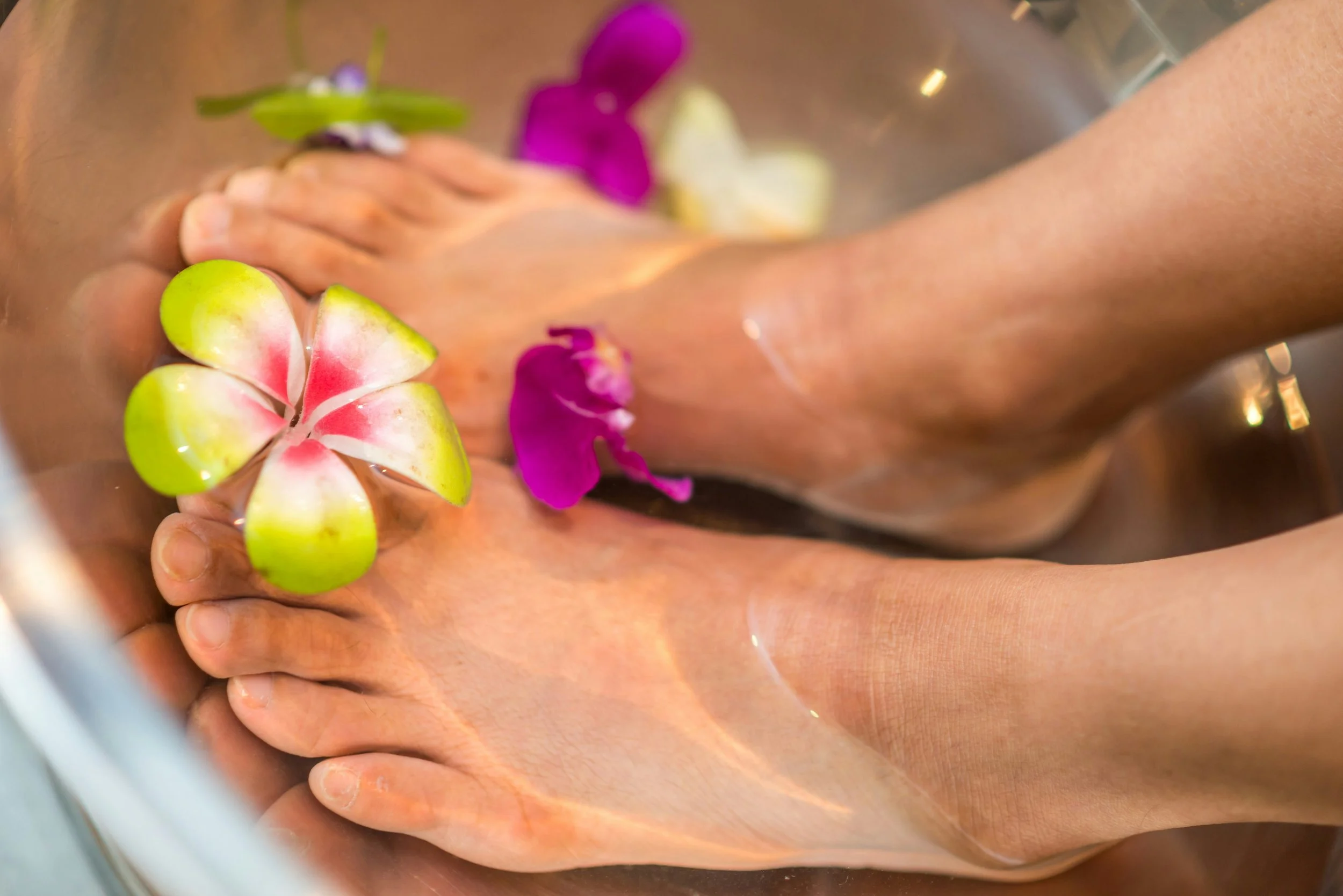
Photo by Rune Enstad on Unsplash
February 09, 2024
Something I hear often is, “I’m having trouble with [insert pain, illness, injury, or loss of ability]. I guess I’m just getting old.” Once in a while I’ll challenge the conclusion (gently, I hope) but usually I don’t, because my own thinking on this is confused.
Physical changes that come with age are real, but complicated. All of us are aging. If we’re alive on this planet we’re moving toward death. This involves changes to our bodies and minds and, as we accumulate years, more of the changes will be unwelcome. Some will be beyond our control, either entirely or in part. However, with most of them we do have some power of influence.
Yet it’s also true that, as we advance along the timeline, here and there windows of opportunity will close. During my 20s and 30s I was a runner. I ran daily for 30 to 45 minutes, with longer runs on the weekends, and completed around a dozen marathons in that many years. In those days ('80s and '90s) cross-training for strength was a thing, but not yet getting much press. Or maybe I just wasn’t paying attention.
I wish I had known then what I know now about the importance of building full-body muscle strength, balance, and flexibility. As a runner I had great cardiovascular health, for which I’m grateful, but now I have joint problems as a consequence of habitually unbalanced posture and little upper-body strength. The window of opportunity to mitigate those changes— maybe by running fewer miles and doing some strength training—closed years ago.
At every age and stage of life, we have aches and pains, physical limitations, and illnesses. These are not static; they change from day to day and over time. And we make choices, every day and over time, about how we deal with the problems.
Our freedom of choice, as well as our health, is limited by privilege. Any power I have to influence the progression of my aging depends to a great extent on my financial security, health insurance, and access to social support. Barbara Ehrenreich calls out the hubris of the “healthy aging” industry in her book Natural Causes: An Epidemic of Wellness, the Certainty of Dying, and Killing Ourselves to Live Longer. The subtitle alone telegraphs her critical reporting on how much control we really have: not that much.
All of the books in the successful-aging literature insist that a long and healthy life is within the reach of anyone who will submit to the required discipline. It’s up to you and you alone, never mind what scars—from overexertion, genetic defects, or poverty—may be left from your prior existence. — Natural Causes, p. 165
Recently I got curious about how I make choices and decided to sort out my thought process and apply it to one of my present physical issues. Basically, this is how it goes:
I know it’s a problem
I attribute the problem to aging.
Probably there are things I could do to make it better, but
I don’t know whether those things will actually work, and
I would have to change some of my habits, and
That would be inconvenient, and besides,
I don’t know whether making the changes will actually work, so
I’ll go on doing what I’m doing and hope for the best, because
This is due to aging so probably there isn’t anything I can do about it.
The problem I’m using is my toes. Every winter my two big toes turn purple and painful. It’s not the entire toe that suffers, just the fleshy part surrounding the toenail. It starts as soon as the weather turns cold: first the discoloring and sensitivity to touch, especially around the outside edge of the toenail. Gradually the skin becomes rough and scaly, and the sensitive area hurts intensely when it accidentally bumps or kicks something.
About a year ago I had a physical exam with a doctor new to me. She looked at my feet and gave me her diagnosis in rather scary terms. “You have Raynaud’s syndrome,” she said. “There’s insufficient blood flow to the toes. Without treatment, it could turn into gangrene.”
When I asked about treatment, her answer was vague. “When your feet are cold, you could soak them in warm water.”
Using this example, here is how my thinking goes:
I know it’s a problem—especially last month, when we had nearly two weeks of intensely cold weather. The lower the outdoor temperature, the worse my toes look and feel.
I attribute the problem to aging. I didn’t have this problem when I was younger.
Probably there are things I could do to make it better. For instance, I could follow the doctor’s advice, but …
I don’t know whether those things will actually work, and the advice I’ve found through internet searching is equally vague.
I would have to change some of my habits, and that would be inconvenient. Having my feet in a bowl of water challenges my habit of getting up and walking around every few minutes. Other things I could do to keep my feet warmer, such as wear shoes or slippers, I also don’t want to do. I prefer wearing socks indoors. Besides …
I don’t know whether making those changes will actually work, so I’ll just hope for the best (no gangrene in my future) while trying out various lotions and creams for temporary relief. Band-Aids help to protect the toes from irritation (literally, putting a Band-Aid on the problem), but it’s better to let them have some air most of the time.
This is due to aging so probably there isn’t anything I can do about it. Also, I know that when warmer weather comes my toes will heal—until next winter.
Finally (as in, a few minutes ago) I searched alternative treatments for Raynaud’s syndrome. It’s surprising that this idea never occurred to me before; generally, I would first think of alternatives regarding more serious health problems.
There are many natural therapies for Raynaud’s, the top three of which are Ginkgo Biloba, Vitamins C and E, and Gamma Linoleic Acid (Omega-6). Now I have my marching orders: supplements and healthy dietary changes are things that I’m willing to do.