What We Lose and What We Hold
“It’s said that ignorance is bliss. Ignorance is this: a vine that sneaks up a tree, killing not by poison, but by blocking out its light.”
Photo by Folco Masi on Unsplash
March 15, 2024
“. . . out of your comfort zone” was the phrase my mind grabbed out of the barre teacher’s mix of instruction and encouragement as we students balanced in a position yoga-like but harder. The daily exercise class isn’t the only thing pushing me out of my comfort zone. I’ve been working all week to figure out this post with little to no progress. Surely I have something to write about? After all, some of you reading this are subscribers and you don’t even know me! Thank you, thank you, thank you! I hope you will find here something that connects with your own Living Adventure.
The thing I’ve been avoiding writing about is the trip I’ll take next week to visit my older brother, David. He’s been homeless in Tucson, Arizona, for the past six months, and the reason I haven’t gone there yet is that I had no idea where I might find him.
Mental illness and addiction formed an invisible but tangible backdrop in my childhood home. There were situations that were known but never discussed. A grandmother chronically depressed and regarded as a tyrant. A first cousin, not “normal” and spoken of in tones of sadness, whose death at 42 was by suicide or accidental overdose; if anyone knew for sure, they weren’t saying.
David is five years older than I, and as I entered my teens and he entered university I began to know him in the complexity of his personality. I knew he was smoking pot and sometimes using other recreational drugs. I didn’t know about his drinking, probably because I knew little about alcohol in general, except that there was one family on our street in which the parents were known to drink, and in our neighborhood that was scandalous.
I remember that David discovered a bottle of some kind of liquor in a high kitchen cupboard of our teetotaler house. He showed it to me and we wondered whether Grandma (the one with depression, who lived with us) was hiding it from our parents, or our parents were hiding from the rest of us.
David graduated university, served two years with the Peace Corps in South Korea, and basically never left. He spent the next 30 years teaching English at a university there. Sometime in his young adulthood he developed symptoms of Bipolar I disorder. Occasionally over the years, someone would insist that he see a psychiatrist, and then he would accept medication for a while. When he felt better he stopped taking the meds.
Sometimes the demand that he seek treatment would come from a family member, most likely our older sister, who was the only one of us with any useful knowledge of mental illness. I knew something about depression by then, but nothing about psychosis. When David visited me, which he did about every other year, I found him strange and uncomfortable to be around, but I was so accustomed to both his behavior and my feelings about it that it didn’t occur to me that some kind of intervention might be needed.
Intervention clearly was needed when he landed on my doorstep in August 2012, psychotic and drunk, having been deported from South Korea. Since then, I’ve learned a great deal about Bipolar I, with co-occurring alcoholism and drug addiction.
One thing I’ve learned is that there are many people who are as blissfully ignorant as I used to be, and they can be very frustrating to deal with when you are trying to access effective care for a person who has a serious behavioral disorder but believes he is fine and perfectly capable of managing his life—and is smart enough to convince others who don’t know him well.
Merriam-Webster defines delusion as “a persistent false psychotic belief regarding the self or persons or objects outside the self that is maintained despite indisputable evidence to the contrary.”
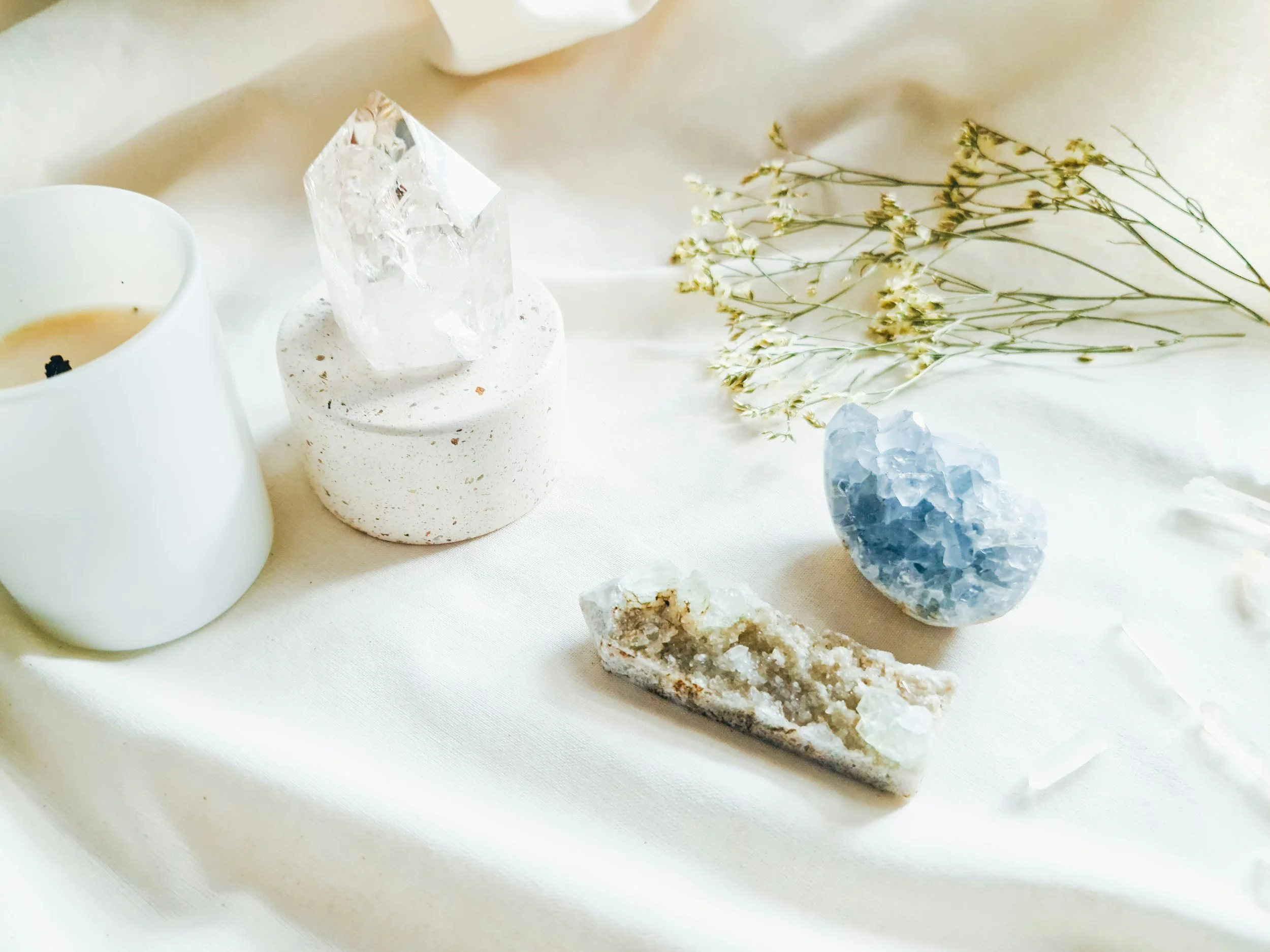
Photo by Edz Norton on Unsplash
And when you add to the delusional profile complications including financial indigence due to his having quit his career university position with all its benefits, and never having worked or paid taxes in the United States, you can maybe see how, after ten years of more-or-less okay care from his little sister, David could end up homeless in Tucson.
In another branch of my family, a baby will be born soon. The family preparing to welcome the baby is a few states away from me geographically and several orders of magnitude distant culturally. This is a good thing. For too long my family has been constrained by a tired, inbred culture of Northern European-ancestry White American mid-20th-century Southern Baptist ethos.
We have dragged the detritus of the past like a heavy dumpster full of old car engine parts, rusted tools, and rough chunks of broken plaster. Now I see the dumpster breaking off and receding from view, while the future draws my gaze forward. (Cue the swelling violins and sunrise on the horizon.)
Today I will go to a bead store and find a beautiful bead, of amethyst or another healing stone, and send it with a note of love and blessing to the expectant mother. This bead will be joined with others given by loving sisters, her friends and family members, at a Blessing Way, derived from a Native American ceremony honoring a woman’s journey into motherhood. The beads will be strung onto a necklace that she will wear or keep close by, reminding her of her circle of support and empowerment through her labor and childbirth.
I still need to return to the dumpster occasionally, as I’ll do next week, to see how my brother is doing, ask how well things are working for him, and offer a hand if he’s ready to climb out. In any case, I’ll give him a celestite bead or crystal, which is said to clear negative energy and thoughts, open the mind, and promote spiritual growth.