Toward Vision
“How we spend our days is, of course, how we spend our lives.”
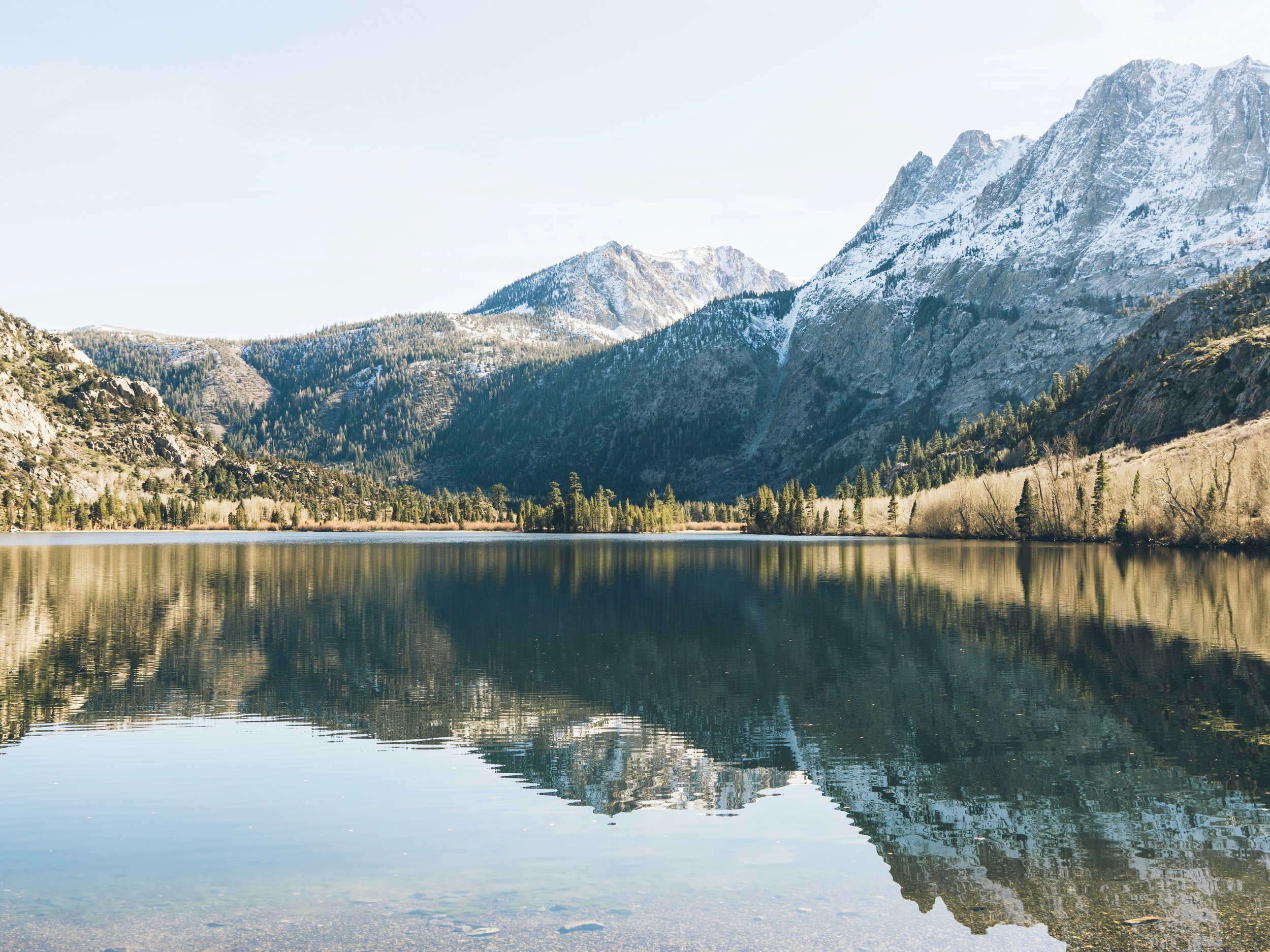
Photo by Josh Villa on Unsplash
January 12, 2024
I decided to make a vision board and gave myself a deadline, which was three weeks ago. I didn’t think it would be easy — I’ve never made a vision board — but so far I haven’t even got to the not-easy part yet because I’m still in the part before it: starting. As I’ve never in my life thought visually about anything, I’m having fun now exploring what this project really is, for me, and noticing curious new patterns in my thinking. It’s as if my mind is sending tentacles out to the unknown as I learn things along the way to envisioning.
Last month my plan was to collect pictures and make a collage. But, with pictures available, I had no idea what to do with them. Pasting them randomly on poster board didn’t seem meaningful. I needed to start with words.
I needed to review (re-view) why I was making a vision board. I needed to re-call my original vision, which came to me in a workshop I attended last fall, where I explored changes I could make in the ways I spend time because, as Annie Dillard famously wrote, “How we spend our days is, of course, how we spend our lives.”
When I googled that quote, I found Maria Popova’s essay on Dillard’s book The Writing Life, with the quote as its title and subtitled “Annie Dillard on Choosing Presence Over Productivity.” That is exactly the choice that opened to me during the workshop. I want to shift my orientation from doing to being. I want a vision of who I am and who I’m becoming, then from that ground of being consider what I will do.
The problem is, while I’m asking who do I want to be? my thoughts keep backsliding to what do I want to do?
Meditation image: I stand on the shore of a lake surrounded by snow-capped mountains. I see the mountains reflected on the still surface of the water. Each thought that emerges from my mind touches the lake and sends a ripple. The ripples move across the water, one after another, distorting the reflection of the world around the lake.
A yoga teacher of mine once said, “Intentionality is required to build the neural pathways to who you were meant to be.”
So I breathe, re-claim stillness, and inquire of Future Me, Who are you?
I am someone who lives into adventure every day.
I am the strongest, healthiest version of myself that I can be.
This requires balancing the different areas of health and strength: physical, spiritual (seeking connection with universal wisdom and mystery), relational (with myself, others, and the world). When I’m giving too much time and attention to any of those, the others weaken.
I am focused and flexible — focused on the actions I take and flexible to bend with the conflicting realities of my life.
I balance my responsibilities to myself, others, and the world, as I stand on the ground of integrity with my values. These include:
creativity
challenge
growth
health
connecting with family and community
exploring and learning in the natural world
With respect to the value of connecting with my family or a community, I can’t always do what’s right for me. Often I need to act for the good of the others, not for myself.
Popova includes in her essay some long quotes from The Writing Life, examples of famous daily routines that “illustrate this existential tension tension between presence and productivity.”
Popova says, “At the heart of these anecdotes of living is a dynamic contemplation of life itself.” She closes with this quote:
“There is no shortage of good days. It is good lives that are hard to come by. A life of good days lived in the senses is not enough. The life of sensation is the life of greed; it requires more and more. The life of the spirit requires less and less; time is ample and its passage sweet. Who would call a day spent reading a good day? But a life spent reading — that is a good life. A day that closely resembles every other day of the past ten or twenty years does not suggest itself as a good one. But who would not call Pasteur’s life a good one, or Thomas Mann’s?”